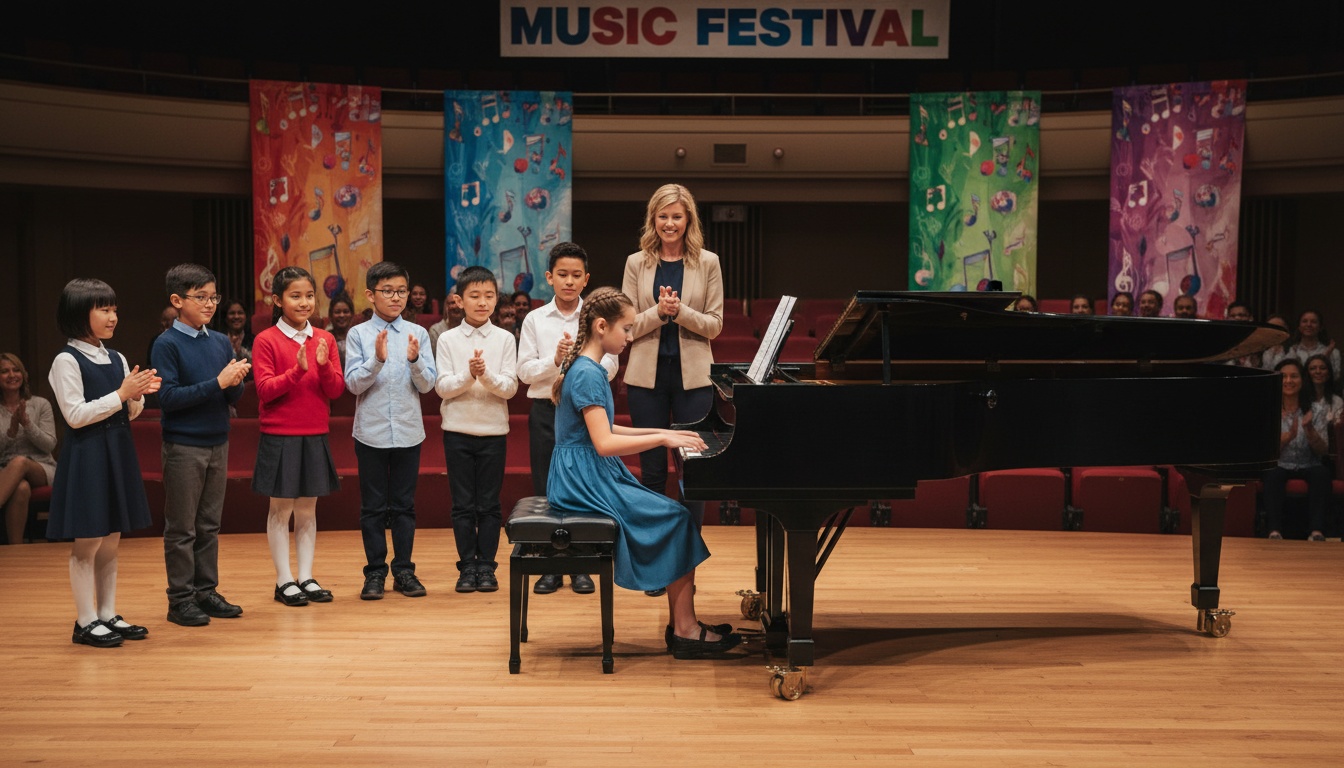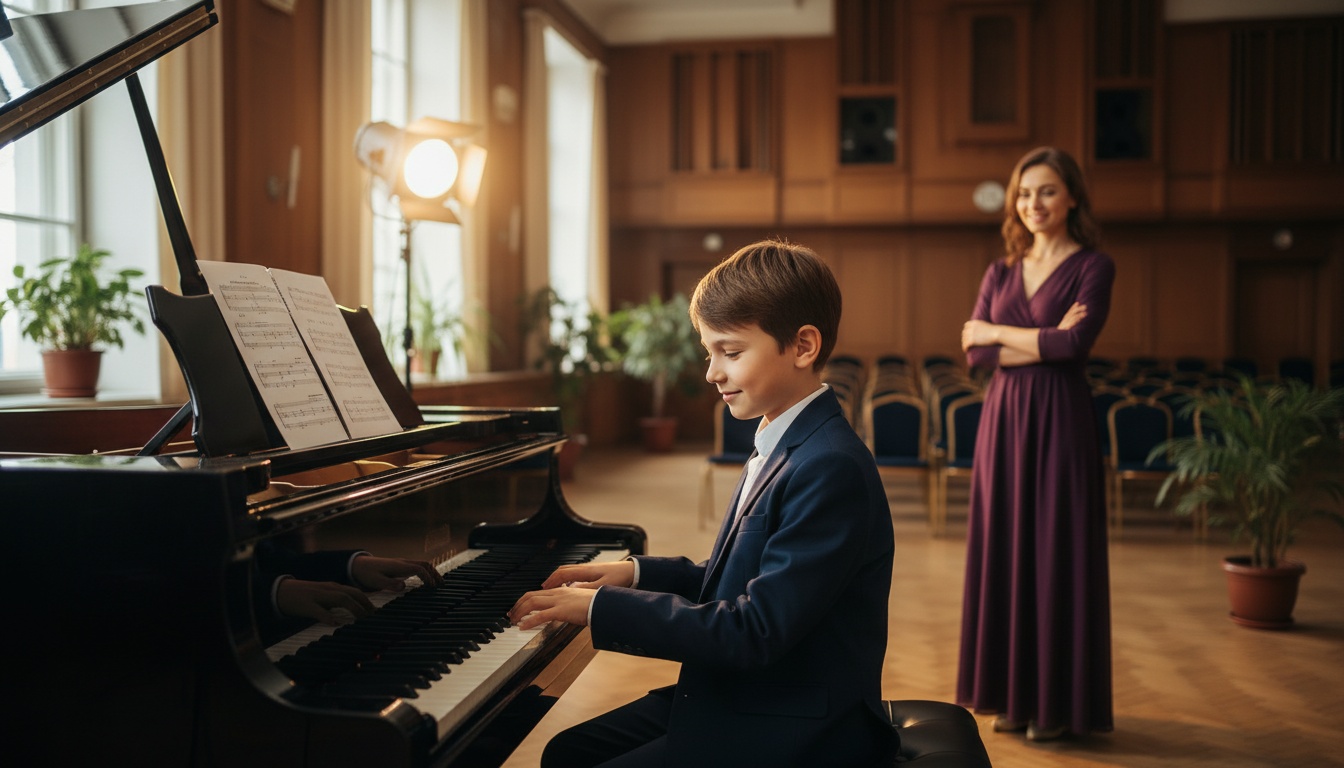
The path from a child’s first hesitant notes on the piano to the confident flourish of a public performance is paved with more than scales and hours at the keyboard. For many young musicians, the journey truly begins to sing when their music leaves the practice room and enters the community. Piano festivals, those vibrant gatherings of learners, teachers, families, and audiences, offer a unique stage where the seeds of musical passion are sown and nurtured. They transform the act of playing into a shared celebration—one that resonates long after the applause fades.
The Magic of the First Stage Experience
For a beginner, the thought of performing before an audience can feel daunting, if not terrifying. Yet time and again, piano festivals prove that the magic lies not in perfection but in participation. The atmosphere at these events is supportive and festive, often filled with students of all ages and skill levels, each bringing their own unique interpretations. The audience, a mix of families, peers, and judges, radiates encouragement. Even the smallest success—a well-played phrase or a brave recovery from a stumble—earns genuine smiles and applause.
Transforming Fear into Joy
One of the most profound impacts of piano festivals is their ability to reshape a child’s relationship with stage fright. Historical greats like Clara Schumann and Franz Liszt understood the adrenaline and vulnerability of performance, yet used it as fuel for artistry. In modern festivals, children discover that nerves are a natural part of sharing their music. Through repeated opportunities to perform, many begin to view the stage as a playground rather than a trial—an insight echoed by parents who witness their once-shy children beam after a successful recital.
Stories of Growth: From Uncertainty to Confidence
Consider Mia, a reserved eight-year-old who reluctantly entered her first piano festival at her teacher’s urging. She walked onstage with trembling hands, played a simple waltz, and left the piano bench with a shy smile. The next year, emboldened by her positive experience, Mia chose a more difficult piece and looked forward to the event. Today, she is a regular festival participant, eagerly introducing herself to other young pianists and helping new performers calm their nerves. Mia’s story echoes across countless children who find self-assurance as they return to the stage, year after year.
The Role of Audience and Community
Live audience presence is a crucial part of the festival experience. When children perform not just for parents or teachers, but for a wider community, they begin to sense the true power of communication through music. The applause, the silent focus during a delicate passage, the shared nervous laughter before a performance—all contribute to a feeling of belonging. This sense of community, rooted in a long tradition from the salons of 19th-century Europe to today’s school auditoriums, motivates children far beyond what solitary practice can offer.
Fostering Lifelong Appreciation
Piano festivals are more than contests or showcases; they are cultural touchstones. By introducing children to a diverse repertoire—classics, folk tunes, jazz arrangements—festivals broaden musical horizons. Exposure to pieces played by peers often lights a spark of curiosity and ambition, fueling the desire to explore new genres and composers. For parents, this environment offers invaluable lessons in patience, resilience, and the joy of creative expression, instilling habits that nurture a lifelong love of music.
Encouragement for Parents: Supporting the Journey
Parents play a pivotal role in this journey from nervous novice to joyful performer. The most successful festival experiences come from a foundation of gentle encouragement rather than pressure. Celebrate effort and growth, not just prizes or flawless performances. Attend festivals together, cheer for other children, and create family traditions around these events. Such support helps children internalize the most important lesson: that music is a gift to be shared, not a test to be passed.
Reflections: Beyond the Stage
At its heart, the transformation from novice to performer is about much more than music. It is about growth, courage, and connection. The memories created at piano festivals—whether triumphant or imperfect—become milestones in a child’s story, shaping not only their appreciation for music, but their confidence in sharing their voice with the world. In every note and every round of applause, children learn that their efforts matter, their creativity has value, and their love for music can last a lifetime.