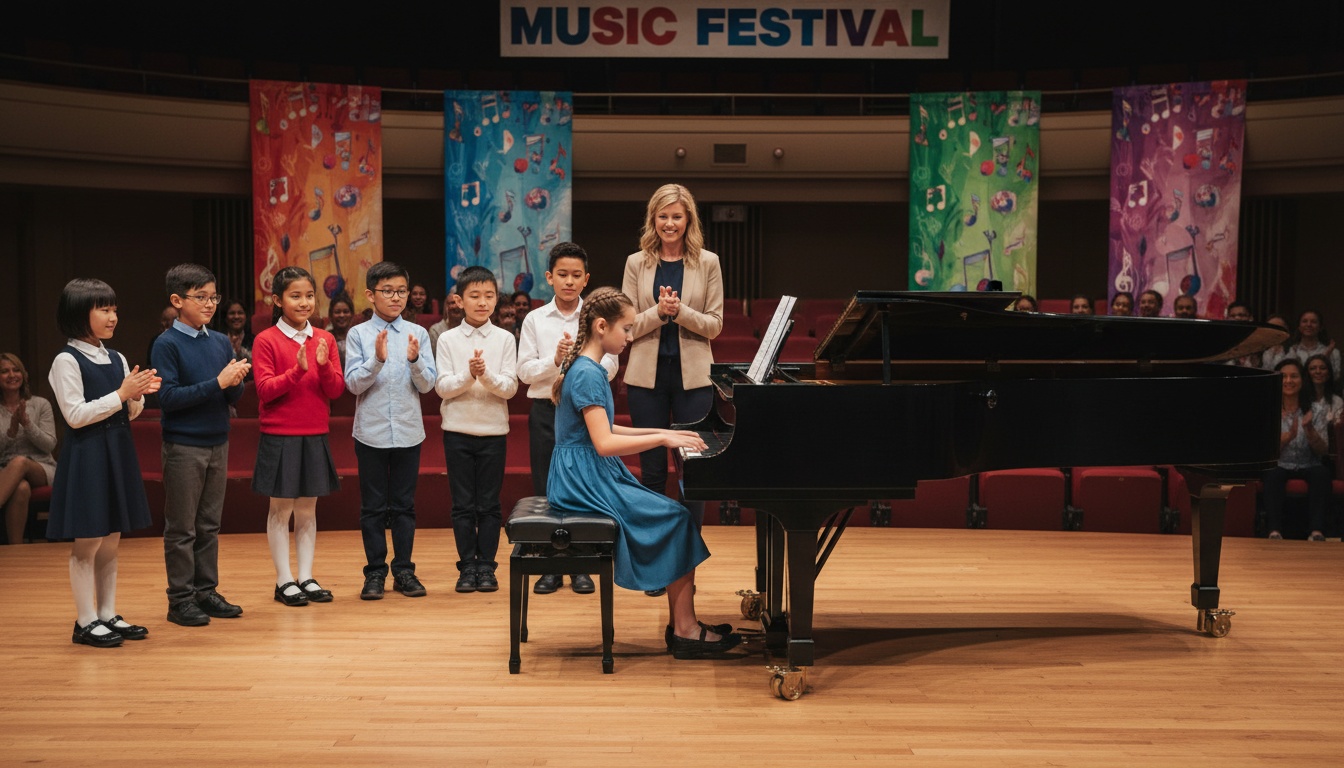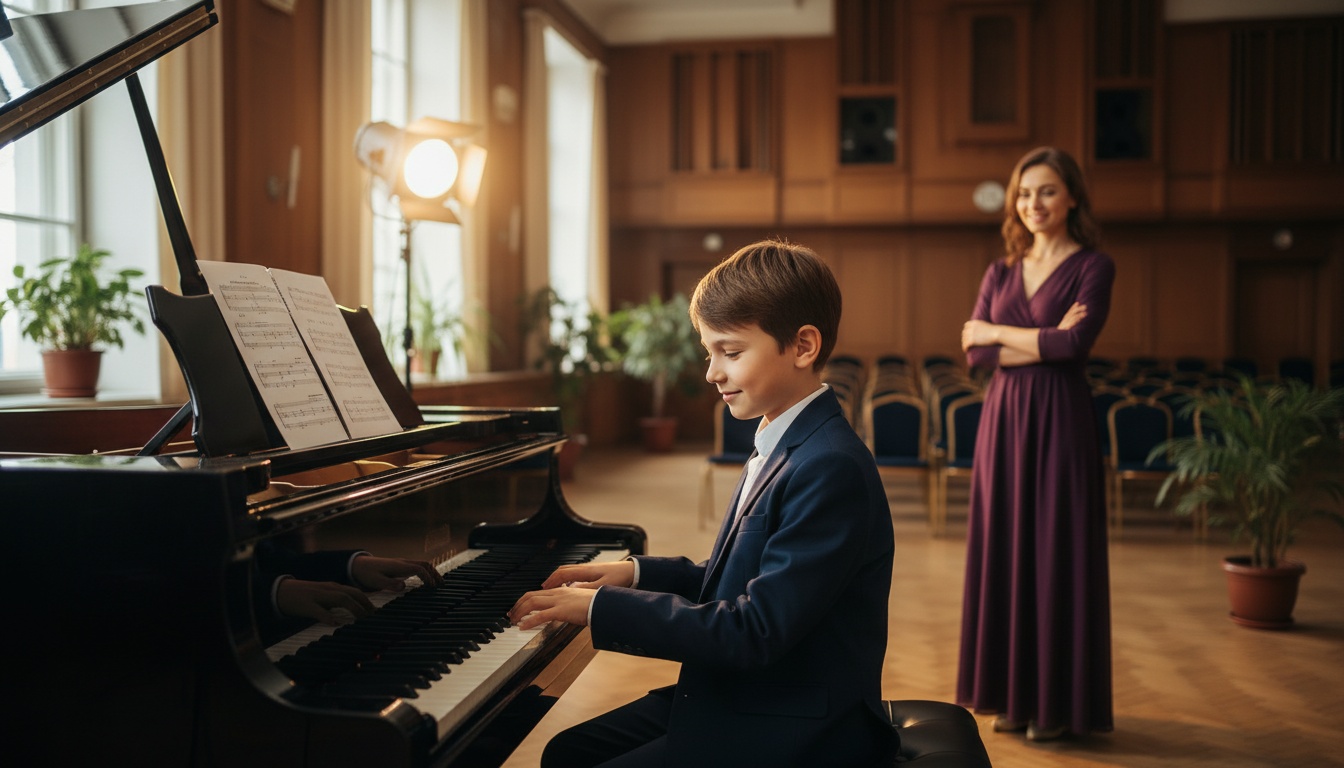
The first piano masterclass can be an exhilarating milestone for young musicians and their families. It’s not just a performance — it’s an invitation into a community of learning, where students play for a master teacher and peers, receiving guidance tailored to their growth. While the experience can be inspiring, it can also stir up nerves and uncertainty in both children and parents. Thoughtful preparation is the key to ensuring your child not only survives, but truly thrives in their first masterclass setting.
Understanding the Masterclass Experience
Unlike a traditional lesson, a masterclass is a public event, often attended by other students, teachers, and sometimes even professional musicians. The format, with its roots in the great conservatories of 19th-century Europe, is designed to offer insights not just to the performer, but to all observers. The master teacher—sometimes a renowned pianist or pedagogue—guides each student through their piece in real time, commenting on interpretation, technique, or musicality. For a child, this can feel a little like stepping onto a stage with the spotlight turned up just a notch.
Choosing the Right Repertoire
The foundation for a positive masterclass experience starts with repertoire. Ideally, students should play a piece they know well—something that sits comfortably under their fingers rather than a challenging new work. Encourage your child to select a piece they enjoy, because familiarity and genuine affection help maintain confidence under pressure. Consult your child’s teacher: seasoned instructors understand which pieces not only showcase abilities but also provide opportunities for meaningful feedback from the master teacher.
Preparation Beyond Practice
Practice is essential, but preparation for a masterclass goes deeper. Consider the setting: students are often invited to briefly introduce themselves and their piece. Practice this introduction at home, keeping it short and clear. Encourage your child to listen to various recordings of their piece. This not only inspires musical ideas but helps them develop a personal interpretation. If possible, attend a masterclass as an audience member first — seeing the format in action demystifies the process and reduces performance anxiety.
Cultivating a Growth Mindset
It’s natural for children to feel nervous about being critiqued in front of others. Remind your child (and yourself) that a masterclass is not an audition or competition, but a workshop. Mistakes aren’t signs of failure; they’re valuable learning opportunities. Share stories of celebrated pianists who faced setbacks, such as Arthur Rubinstein’s well-documented stage fright or Clara Schumann’s perseverance in an era when women rarely performed publicly. Emphasizing the learning process helps children approach the masterclass with curiosity rather than fear.
Managing Masterclass Nerves
Stage fright is as old as the piano itself. Help your child develop strategies for managing nerves. Simple breathing exercises before the event can work wonders. Encourage visualization: ask your child to picture themselves walking confidently to the piano, playing smoothly, and smiling at the end. Remind them that everyone in the room is rooting for their success. Sometimes, bringing a familiar comfort object (tucked in a pocket) or wearing a favorite outfit can provide extra reassurance.
After the Applause: Reflecting and Growing
Once the masterclass is over, take time to reflect with your child. Ask what they learned, how they felt, and what moments stood out. Celebrate their bravery in participating—it takes courage to play in front of others and accept feedback. Review the notes from the master teacher together, and set small, achievable goals for the weeks ahead. Remember, every great performer was once a beginner in a similar setting, unsure but hopeful. Your support and encouragement will echo long after the final chord has faded.
Fostering a Lifelong Love of Music
Masterclasses are more than a test of skill—they are a celebration of growth, creativity, and the courage to learn in public. By preparing thoughtfully and embracing the experience together, you can help your child lay the groundwork for musical confidence and a lifelong love of learning. With each new challenge, their self-assurance will grow, and the piano will become not just an instrument, but a companion on an inspiring journey.